

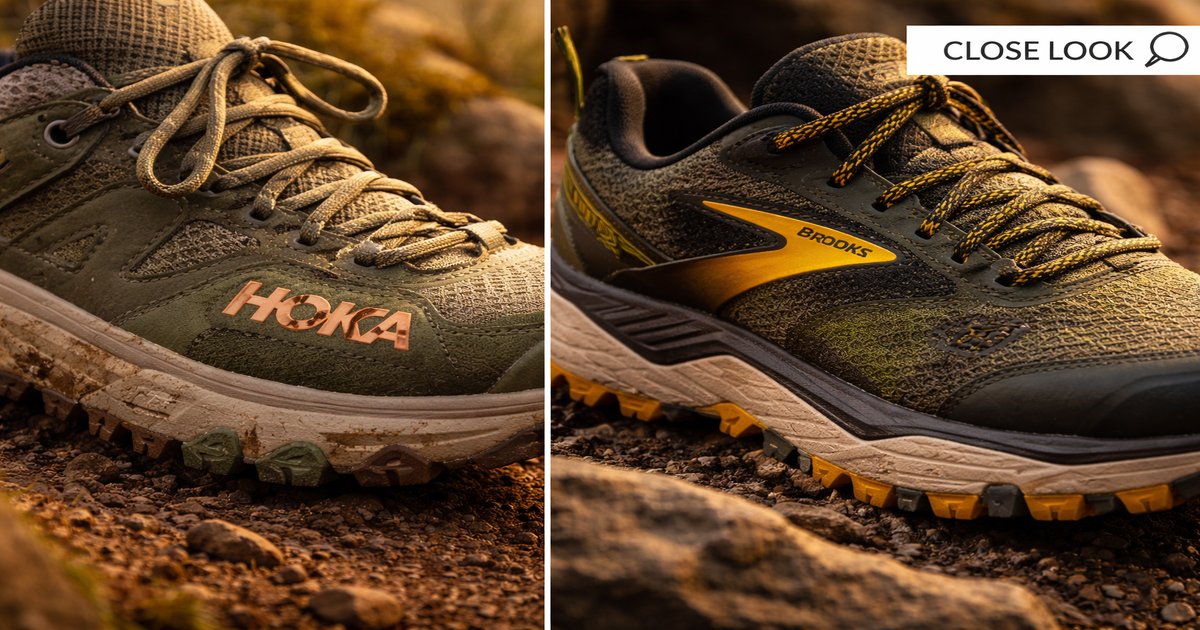
You’re standing at the trailhead, lacing up your shoes, ready for an adventure. But wait—are those shoes really the best choice for what lies ahead? When it comes to tackling rugged terrain, the Ghost Trail and Brooks Cascadia are two names that come up often. Let’s break down these trail titans and see which one deserves your feet.
| Feature | Ghost Trail | Brooks Cascadia |
|---|---|---|
| Weight | 10.2 oz | 11.5 oz |
| Cushioning | Neutral | Stability |
| Waterproof | ✓ | ✗ |
| Drop | 8mm | 8mm |
| Price | $130 | $120 |
| TrailGrip Outsole | ✓ | ✓ |
✅ ghost trail Pros
- Lightweight design at just 10.2 oz
- Waterproof, great for wet conditions
- Excellent traction with TrailGrip Outsole
❌ ghost trail Cons
- Higher price point
- Less cushioning compared to Brooks Cascadia
✅ brooks cascadia Pros
- Offers excellent stability
- More affordable at $120
- Durable construction
❌ brooks cascadia Cons
- Heavier than Ghost Trail
- Not waterproof
Performance on Diverse Terrain
The Ghost Trail wins when it comes to varied terrain. Its lightweight design makes it perfect for those long-distance runs where every ounce counts. The waterproof feature is a lifesaver if you’re caught in unexpected rain or tackling muddy paths. Meanwhile, the Brooks Cascadia, though heavier, offers unmatched stability, making it ideal for rocky or uneven paths. You might feel a bit more grounded with the Cascadia, which is a blessing for those prone to ankle twists.
Build Quality and Durability
If you’re the type who puts your gear through hell and back, the Brooks Cascadia might be your best friend. Its robust construction means it can take a beating, whether you’re scrambling over rocks or navigating root-laden paths. The Ghost Trail, while durable, feels more like a precision instrument—fantastic for speed and agility but not something you’d want to abuse regularly. Its waterproofing is a bonus, but don’t expect it to hold up as long as the Cascadia in harsh conditions.
Value for Money
The Ghost Trail asks for a bit more cash upfront at $130, but if you’re someone who needs a shoe that can do it all—lightweight, waterproof, with excellent grip—it’s worth the investment. However, if you’re on a tighter budget or prefer a shoe that can handle a beating without breaking the bank, the Brooks Cascadia offers fantastic value at $120. It’s a small price difference, but every dollar counts when you’re gearing up for the long haul.
Most people will tout the Ghost Trail’s waterproofing as a major advantage, but if you’re not consistently running through wet environments, it could be overkill. Similarly, the Brooks Cascadia is often praised for its stability, but if you’re a seasoned runner with strong footing, that extra weight might just slow you down more than it helps.
Our Final Verdict: Which One Should You Buy?
If you’re a speed demon who values lightweight agility and often finds yourself in wet conditions, the Ghost Trail is your go-to. Its waterproof feature and lightweight design make it ideal for fast-paced trail runs. On the other hand, if you need something that offers stability and durability for rough terrains without breaking the bank, the Brooks Cascadia is a solid choice. It’s perfect for those who prioritize robust build quality over cutting-edge features.
Is the Ghost Trail true to size?
Yes, the Ghost Trail generally fits true to size, but if you have wider feet, consider going half a size up for comfort.
Can Brooks Cascadia handle wet conditions?
While it’s not waterproof, the Brooks Cascadia can manage light rain and puddles, but expect to get wet in heavy rain.
How long will each shoe last?
The Brooks Cascadia typically offers more longevity due to its durable build, making it a better choice for frequent trail runners.