

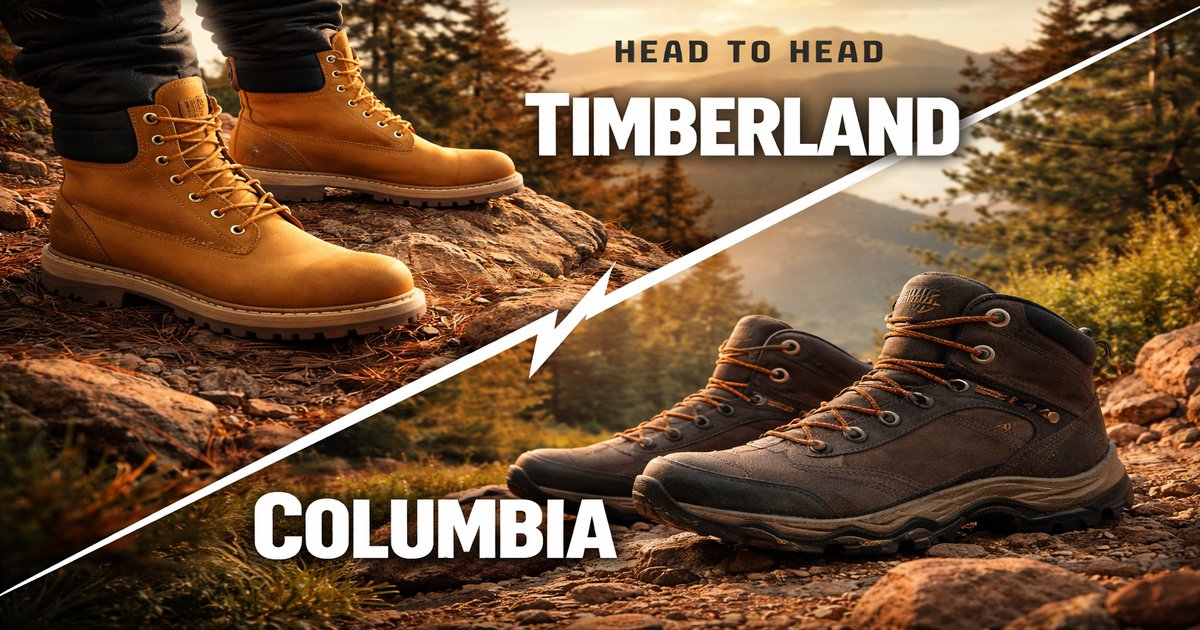
You need boots that can handle both city slush and mountain trails without missing a beat. Timberland and Columbia are top contenders, but which brand truly delivers when it comes to durability and comfort? Let’s break it down so you can make an informed choice before your next adventure.
| Feature | Timberland | Columbia |
|---|---|---|
| Waterproofing | ✓ | ✓ |
| Insulation | 200g Primaloft | 200g Omni-Heat |
| Weight (per boot) | 1.8 lbs | 1.2 lbs |
| Price Range | $150 – $200 | $120 – $180 |
| Traction | ✓ Vibram outsoles | ✓ Omni-Grip outsoles |
| Style Options | Limited | Varied |
✅ timberland Pros
- Excellent build quality with robust materials.
- Superior traction with Vibram outsoles.
- Stylish designs that transition well from outdoors to casual settings.
❌ timberland Cons
- Heavier than many competitors.
- Higher price point.
- Limited style options compared to Columbia.
✅ columbia boots Pros
- Lightweight, making them ideal for long treks.
- Affordable pricing.
- Wide variety of styles and colors.
❌ columbia boots Cons
- Less durable in harsh conditions.
- Omni-Grip traction is good, but not as gripping as Vibram.
Performance
When it comes to handling rough and slippery terrains, Timberland takes the cake with its Vibram outsoles. You get a grip that feels secure whether you’re hiking up a muddy trail or navigating icy sidewalks. Columbia’s Omni-Grip is no slouch, though; it gets the job done for most casual and moderate outdoor activities. If you’re looking for reliability in extreme conditions, Timberland is your bet, but Columbia offers a balance for everyday adventures.
Build Quality
Timberland boots are the tanks of the boot world. They use top-grade leather and sturdy stitching, which means you can expect these boots to last for years if maintained properly. Columbia boots, while well-made, focus more on lightweight comfort, sometimes at the cost of long-term durability. If you’re the kind to push your gear to its limits, Timberland is more likely to hold up over the years.
Value for Money
Columbia provides excellent bang for your buck, especially if you’re not planning on testing the extremes of your boots. They offer comfort and style without burning a hole in your wallet. Timberland, on the other hand, asks for a bigger investment upfront, but rewards you with longevity and resilience. Choose Columbia for budget-friendly versatility, and Timberland if you’re ready to pay more for endurance and style.
Timberland boots feel great and look fantastic, but they can weigh you down on longer hikes. Columbia’s lightweight design is refreshing, but if you’re hard on your footwear, you may find yourself replacing them sooner. Neither is perfect, but each has its unique strengths depending on your needs.
Our Final Verdict: Which One Should You Buy?
If you’re the type who values rugged durability and classic style, Timberland is worth the investment. It’s ideal for those who need a boot that can tackle tough conditions without breaking a sweat. On the flip side, if you want lightweight comfort and affordability for casual outdoor adventures or urban commuting, Columbia boots should be your go-to. Both have their merits, but your choice should align with how and where you plan to use them.
Do Timberland boots fit true to size?
Timberland boots generally fit true to size, but if you plan on wearing thick socks, consider going up half a size for extra comfort.
Can Columbia boots handle snow and ice?
Columbia boots are equipped to handle light snow and ice, thanks to their Omni-Grip outsoles, but for extreme conditions, Timberland’s Vibram soles offer superior grip.
How long do these boots last?
With regular use, Timberland boots can last several years due to their durable build. Columbia boots, while less durable, can last a couple of years if not subjected to extreme conditions.