

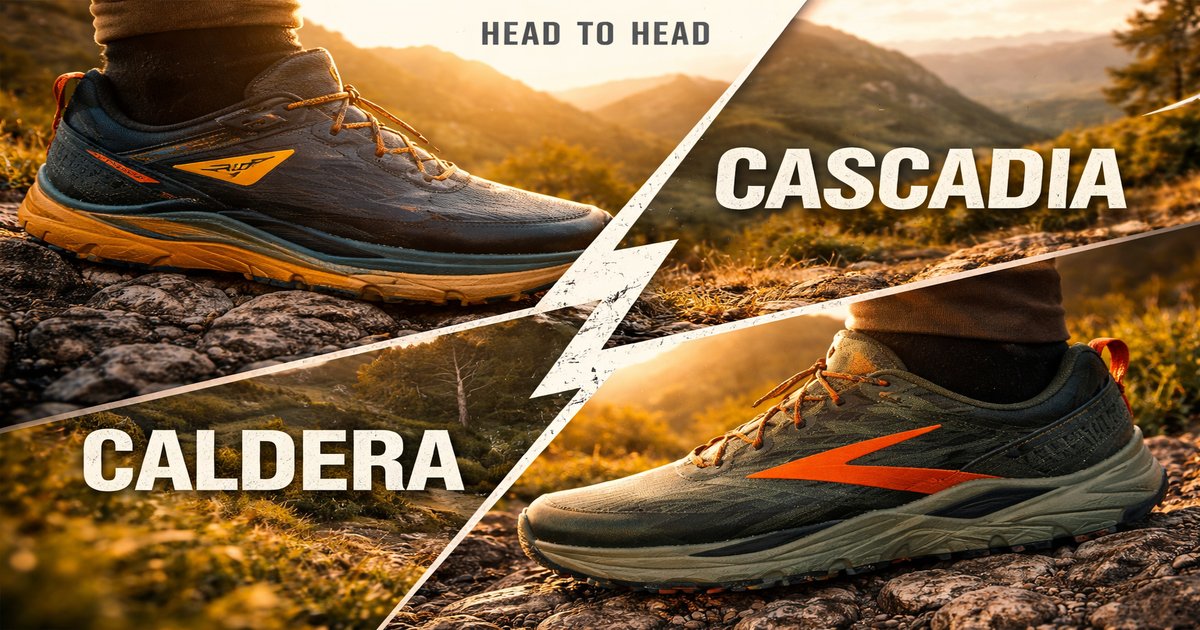
You’re standing at the trailhead, looking down at your shoes and wondering if you’ve made the right choice for this rugged adventure. Whether you’re tackling a muddy hill or navigating a rocky path, the right trail running shoe can make or break your experience. Let’s dive into how the Altra Caldera and the Brooks Cascadia stack up against each other.
| Specification | Altra Caldera | Brooks Cascadia |
|---|---|---|
| Weight | 10.7 oz (303 g) | 11.7 oz (332 g) |
| Drop | Zero Drop | 8mm |
| Cushioning | Maximum | Moderate |
| Traction | ✓ | ✓ |
| Water Resistance | ✗ | ✓ |
| Price | $140 | $130 |
✅ caldera Pros
- Generous cushioning for ultra comfort on long runs.
- Zero drop design promotes a natural foot strike.
- Lightweight construction helps minimize fatigue.
❌ caldera Cons
- Lacks waterproofing, not ideal for wet conditions.
- High stack height can feel unstable on technical terrain.
✅ brooks cascadia Pros
- Excellent stability and support on uneven terrain.
- Water-resistant upper keeps your feet dry in wet conditions.
- Durable construction extends the shoe’s lifespan.
❌ brooks cascadia Cons
- Heavier than many trail shoes, which can slow you down.
- Moderate cushioning might not be enough for ultra distances.
Performance on Different Terrains
The Caldera shines on long, relatively smooth trails thanks to its maximum cushioning and lightweight feel. You’ll appreciate this if you’re running ultra distances where comfort is king. However, take it on technical trails, and that plush stack height might make you feel like you’re wobbling on stilts. The Brooks Cascadia, on the other hand, is built for navigating rocky paths and uneven surfaces. Its superior stability and water-resistant features make it a go-to for rougher terrains and unpredictable weather. If you’re planning to tackle a variety of surfaces, the Cascadia won’t let you down.
Build Quality and Durability
When it comes to build quality, both shoes offer something unique. The Caldera’s lightweight design means it’s not as robust as the Cascadia. After several months of regular use, you might notice wear, particularly in the upper mesh. Meanwhile, the Cascadia is a tank. Its durable construction is evident in its reinforced toe cap and rugged outsole, which can take a beating. If you’re someone who’s hard on shoes, the Cascadia’s durability will give you peace of mind, knowing you won’t need to replace them after a couple of months.
Value for Money
Spending a bit more on the Caldera gets you that plush comfort and zero drop design, which is invaluable for long-distance runners who prioritize a natural foot strike. But if you’re more concerned with versatility and durability, the Cascadia offers excellent value. It’s slightly cheaper and will likely outlast the Caldera under rigorous conditions. So, if you’re budget-conscious but need a reliable partner for varying trail conditions, the Cascadia is a smart investment.
The Caldera’s zero drop isn’t everyone’s cup of tea, especially if you’re not used to that running style. Transitioning can be tough on your calves, so ease into it. The Cascadia, while stable, can feel a bit clunky if you’re used to lighter trail shoes. Its water resistance is a bonus, but don’t expect it to keep you dry in a torrential downpour.
Our Final Verdict: Which One Should You Buy?
If you’re an ultra-marathoner or someone who values maximum cushioning and a natural running experience, the Altra Caldera is your match. It’s perfect for those long, enduring runs where comfort trumps all. However, if you’re a trail warrior who tackles varied terrains and values durability and weather resistance, the Brooks Cascadia should be your go-to. It’s built to last and adapt, making it ideal for the adventurous trail runner who needs reliability in unpredictable conditions.
How do these shoes fit for wide feet?
The Altra Caldera is known for its roomy toe box, making it a great choice for wider feet. The Brooks Cascadia is relatively standard in width, so trying them on for fit is advisable.
Are these shoes compatible with orthotics?
Both shoes can accommodate orthotics, but the Caldera’s zero drop might require some adjustment. The Cascadia’s higher drop can handle orthotics more comfortably.
How long will these shoes last under regular use?
Expect the Caldera to last around 300-400 miles depending on terrain, while the Cascadia, with its durable build, can push closer to 500 miles.