

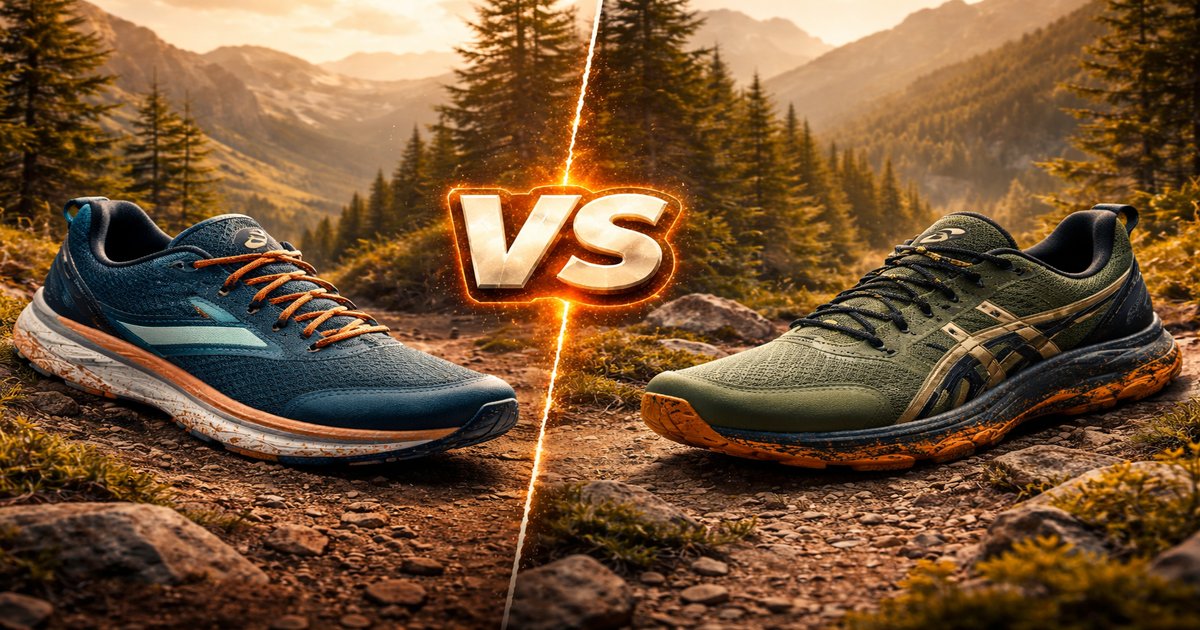
You’re on the hunt for the perfect running shoe, but the choices are overwhelming. Brooks and Asics both have die-hard fans swearing by them, yet which one truly fits your needs? Let’s break this down so you can lace up and hit the pavement without second-guessing your choice.
| Feature | Brooks | Asics |
|---|---|---|
| Cushioning | DNA Loft | GEL Technology |
| Support Type | Neutral & Stability | Neutral & Stability |
| Drop | 10mm | 10mm |
| Weight (Men’s) | 10.1 oz | 9.7 oz |
| Durability | ✓ | ✓ |
| Price Range | $100-$160 | $70-$150 |
| Breathability | ✓ | ✓ |
✅ brooks Pros
- Excellent cushioning with DNA Loft for a plush ride.
- High durability, making them a long-term investment.
- Wide variety of models for different running styles.
❌ brooks Cons
- Heavier than some competitors, which might not suit speedsters.
- Higher price point on some models.
- Limited color options for some styles.
✅ asics Pros
- GEL technology provides excellent shock absorption.
- Lightweight design enhances speed and agility.
- Typically more affordable with a broad range of price points.
❌ asics Cons
- Some models may lack durability in high-mileage scenarios.
- Fit can be inconsistent across different models.
Performance: Cushioning and Support
Brooks is renowned for its plush cushioning, thanks to DNA Loft, which offers a soft yet responsive feel on the road. It’s like running on clouds, perfect for those long-distance runs where comfort is king. Asics, on the other hand, harnesses GEL technology, which excels in shock absorption, making it a go-to for runners dealing with joint issues. If you prioritize comfort over everything else and plan on clocking serious miles, Brooks might be your ally. But if you need that extra shock protection, Asics is a solid contender.
Build Quality: Weight and Durability
Brooks shoes are built like a tank, offering durability that can withstand the test of time, making them a worthwhile investment if you’re a frequent runner. However, this robustness comes at a cost: weight. They tend to be a bit heavier, which might not appeal to speed-focused athletes. Asics offers a lighter design, which is fantastic for those who want to feel quick and agile. Just be wary, as some of their lighter models might not last as long if you’re pounding the pavement daily.
Value: Price vs. Performance
While Brooks often demands a higher initial investment, the durability and comfort you get might justify the cost, especially if you’re logging serious miles. Asics provides a wider pricing spectrum, which is great if you’re on a tighter budget but still want quality performance. If affordability is key, Asics provides excellent value without skimping on essential features, making it easier to find a shoe that fits both your needs and wallet.
Both brands have their quirks that aren’t always advertised. Brooks can feel a bit snug for those with wider feet, so you might need to size up. Asics, despite its lightweight appeal, sometimes faces inconsistencies in fit, meaning you might need to try a couple of pairs before finding the perfect match.
Our Final Verdict: Which One Should You Buy?
If you’re all about comfort and durability, and don’t mind a bit of extra weight, Brooks is your best bet. It’s ideal for long-distance runners who need that plush, reliable cushioning. On the flip side, if you’re looking for lightweight shoes with excellent shock absorption at a more affordable price, Asics is the way to go, especially for those who prioritize speed and agility.
Are Brooks shoes suitable for wide feet?
Brooks does offer wide-width options, but it’s recommended to try them on, as their standard fit can feel snug for some.
How long do Asics typically last?
Asics shoes generally last between 300-500 miles, depending on the model and running conditions.
Do both brands offer shoes for overpronation?
Yes, both Brooks and Asics provide options specifically designed for overpronators, with additional support and stability features.