

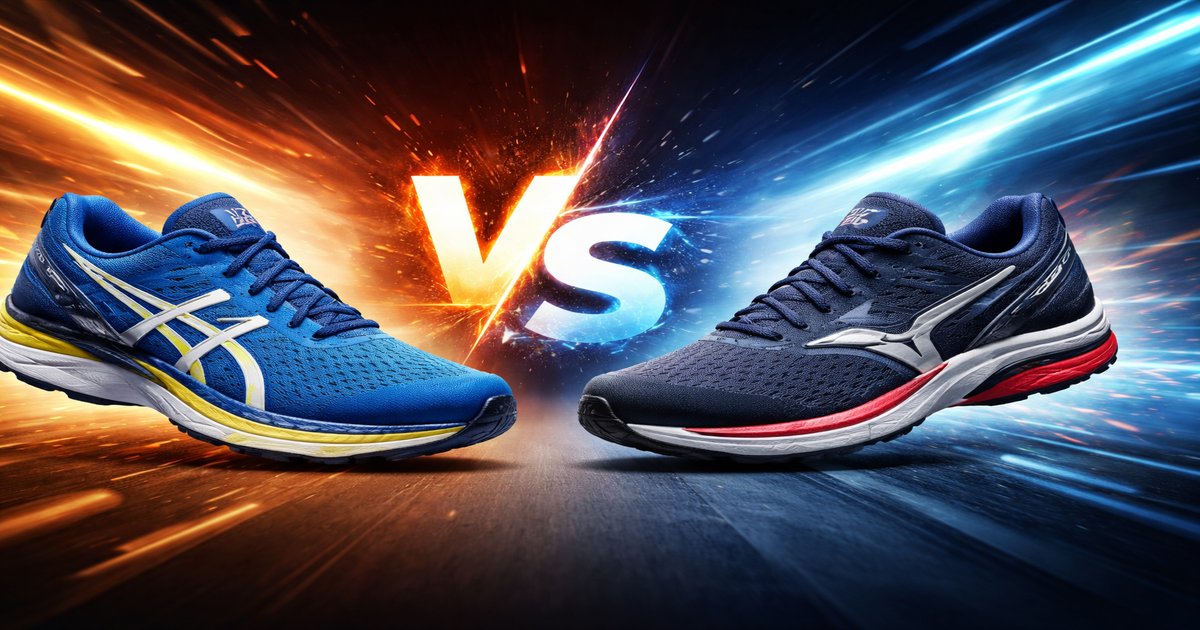
You’re on the hunt for the perfect running shoes, but the choices are overwhelming. Asics and Mizuno are two heavyweights in the game, each promising to take your run to the next level. Let’s break down these brands to see which is your perfect fit.
| Feature | Asics | Mizuno |
|---|---|---|
| Cushioning Technology | GEL Cushioning System | Wave Plate Technology |
| Weight (Men’s size 9) | 10.9 oz | 10.6 oz |
| Arch Support | High | Moderate |
| Price Range | $120 – $160 | $110 – $150 |
| Breathability | ✓ | ✓ |
| Durability | ✓ | ✓ |
| Stability Features | ✓ | ✗ |
✅ asics Pros
- Excellent arch support suitable for overpronators.
- Durable construction ideal for heavy mileage.
- GEL cushioning offers superior shock absorption.
❌ asics Cons
- Heavier than some competitors, impacting speed.
- Higher price point for comparable features.
- Can feel bulky for those with narrow feet.
✅ mizuno Pros
- Lighter weight enhances speed and agility.
- Wave Plate technology provides a responsive ride.
- More affordable than competing premium shoes.
❌ mizuno Cons
- Less arch support, not ideal for overpronators.
- Less durable for high-mileage runners.
Performance: Cushioning and Support
Both brands shine in their cushioning technologies, but with different strengths. Asics’ GEL system really makes a difference during long runs, absorbing impact like a champ. If you’re logging serious miles or have joint issues, this is your pick. On the other hand, Mizuno’s Wave Plate delivers a springy, responsive feel, perfect for speed work or races. You’ll notice the energetic bounce if you’re doing intervals or tempo runs. Consider your primary running activity when choosing between these two.
Build Quality: Weight and Durability
Asics shoes are built like tanks and can endure punishment. They’re the kind of shoes that can take a beating without breaking down. However, this durability comes with weight. If you’re more focused on durability over speed, Asics has you covered. Mizuno, while not as robust, offers a lighter option that shaves off ounces. This makes Mizuno the better choice for those who prioritize lightness and speed, but they might not last as long on rough terrains or high mileage.
Value: Price and Features
Mizuno offers a slightly cheaper entry into premium running shoes without skimping on quality. Their Wave Plate technology is an excellent value for those needing speed and responsiveness. Asics, while pricier, offers more in terms of support and cushioning, which might justify the cost for those who need it. If budget is tight and you don’t need the extra support, Mizuno might give you more bang for your buck.
Asics shoes can feel clunky if you’re not used to the weight, especially if you’re a lighter runner. Mizuno, while great for speed, might not last as long if you’re pounding out long-distance runs regularly. Neither brand is perfect for everyone, so think about your specific needs before pulling the trigger.
Our Final Verdict: Which One Should You Buy?
If you’re an overpronator who values support and durability, Asics is your go-to. It’s perfect for marathon trainers who need that extra cushioning. For those who are all about speed and a lighter shoe, Mizuno is the way to go. It’s a great pick for short to mid-distance runners who want a responsive feel without breaking the bank.
Are Asics shoes true to size?
Asics are generally true to size but can run slightly narrow. If you have wider feet, consider going up half a size.
How long do Mizuno shoes last?
Expect about 300-400 miles from Mizuno shoes, depending on your running style and the surfaces you run on.
Which brand offers better arch support?
Asics provides better arch support, making them ideal for overpronators or those needing added stability.