

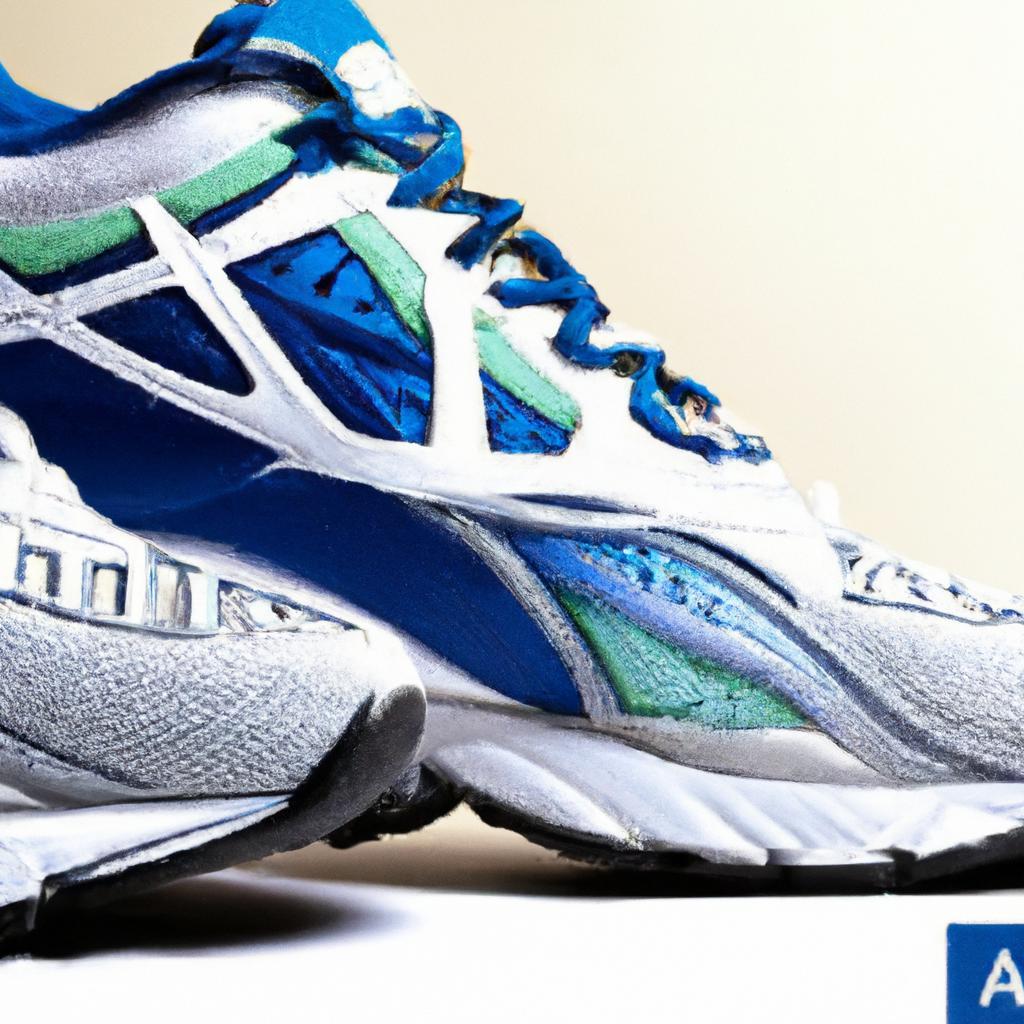
Finding the perfect pair of running shoes can feel like searching for a needle in a haystack. With countless brands, styles, and innovations flooding the market, it’s easy to feel overwhelmed. Yet, this journey is more than just a quest for comfort; it’s about unlocking your full potential, discovering the right fit, and enhancing your performance, whether you’re a seasoned marathoner or a casual weekend jogger. In this guide,we will take you step by step through the process of choosing running shoes that are tailored specifically to your needs. From understanding your foot type to examining your running gait, we’ll equip you with the knowledge needed to make an informed decision. Lace up your sneakers as we embark on this exploration to find the perfect match for your running adventures!
Understanding Your foot Type for Optimal Fit
To select running shoes that offer the perfect fit, it’s crucial to recognize your unique foot type, as this can significantly impact your comfort and performance while running. Your foot type can generally be categorized into three key types: flat feet, neutral arches, and high arches. Each type has its distinct characteristics and shoe requirements:
- Flat Feet: Individuals with flat feet tend to have little to no arch.Look for shoes with extra stability and motion control, as they help in providing the necessary support.
- Neutral Arches: This common foot type enjoys a moderate arch, balancing flexibility and stability.Choose cushioned shoes designed for a neutral gait to enhance your running experience.
- High arches: those with high arches frequently enough experience reduced shock absorption. Selecting shoes with ample cushioning and support will aid in managing stress on the feet and joints.
Understanding your foot type can provide insight into how different shoes will feel and perform. To further simplify your selection process, consider the following table that summarizes essential characteristics of each foot type along with appropriate shoe recommendations:
| Foot Type | Characteristics | Recommended Shoe Features |
|---|---|---|
| Flat Feet | Little to no arch | Stability, Motion Control |
| Neutral Arches | Moderate arch height | Cushioned, Supportive |
| High Arches | Meaningful arch height | Cushioning, Shock Absorption |
Being aware of your foot type and how it influences your shoe choice can lead to a transformative running experience, reducing the risk of injury and enhancing comfort on your journeys.

Evaluating Cushioning and Support features for enhanced performance
When selecting running shoes, the cushioning and support features play a pivotal role in optimizing your performance. It’s essential to understand how these elements work together to enhance your running experience. Look for shoes that offer:
- Responsive Cushioning: A material that absorbs impact while providing a springy feel, ensuring energy return with every step.
- Arch support: Adequate support tailored to your foot type, promoting proper alignment and reducing the risk of injuries.
- Stability Features: Reinforced structures that help control the foot’s motion, notably beneficial for overpronators.
- Breathable Materials: Fabrics that allow moisture-wicking, keeping your feet dry and agreeable during runs.
To visualize the characteristics you might be exploring, here’s a comparison table of popular cushioning technologies:
| Brand | Cushioning Technology | Primary Benefit |
|---|---|---|
| Nike | ZoomX Foam | Lightweight with high energy return |
| Adidas | Boost | Excellent energy return and comfort |
| Asics | GEL Technology | Impact absorption and plush feel |
| Hoka | Meta-Rocker | Smooth transitions and enhanced propulsion |
By focusing on these features, you’ll not only find the right fit for your foot type but also maximize your running efficiency while minimizing discomfort and injuries.
In Conclusion
as we lace up and take strides toward our running goals, finding the perfect pair of shoes is more than just a selection; it’s a journey tailored to our unique feet and running style. By understanding your own needs, exploring different types of footwear, and considering factors like fit, support, and terrain, you can transform each run into a more comfortable and enjoyable experience. Remember, the right shoes can be your best training partner, helping you reach new distances and conquer new challenges. So take the time to step through each of the considerations we’ve outlined, and empower yourself to make an informed choice.Your feet will thank you with every mile you conquer. Keep running and keep exploring, because the right pair of shoes is only the beginning of your adventure!