

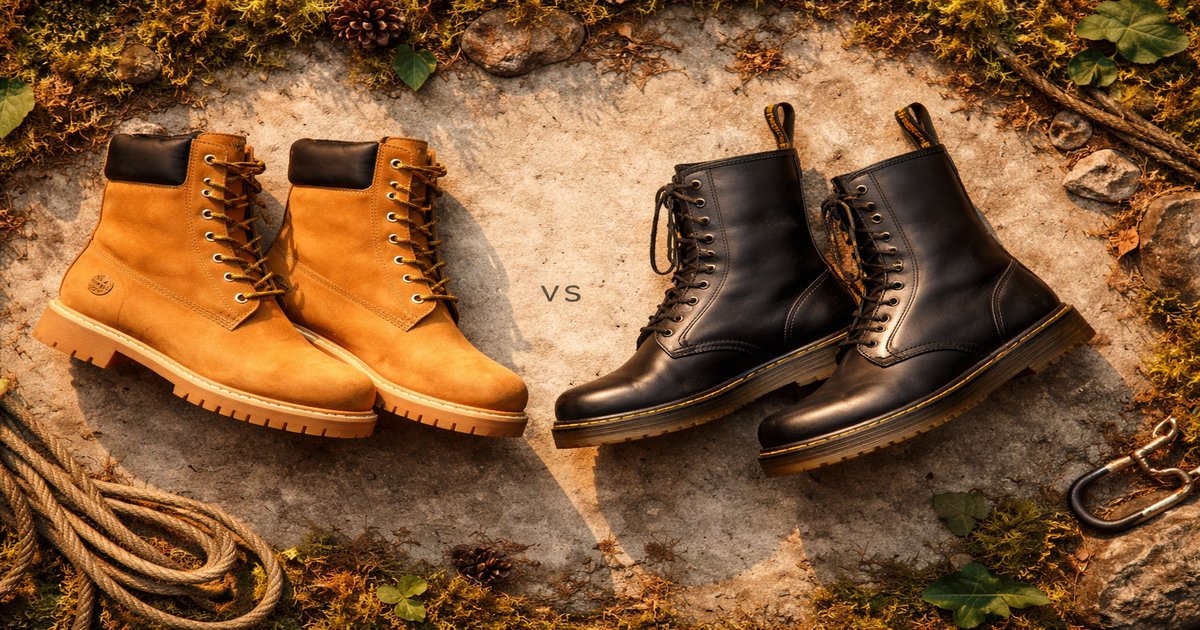
You’ve probably faced this dilemma: Timberland or Dr. Martens? Whether you’re trekking through the urban jungle or just need something reliable for everyday wear, both brands have a lot to offer. But which one fits your lifestyle better?
| Feature | Timberland | Dr. Martens |
|---|---|---|
| Material | Premium Leather | Leather |
| Waterproof | ✓ | ✗ |
| Sole Type | Rubber Lug | Air Cushion |
| Weight | 2 lbs | 1.5 lbs |
| Break-In Period | Minimal | Significant |
| Price Range | $150-$200 | $100-$150 |
✅ timberland Pros
- Excellent durability for outdoor adventures.
- Waterproofing keeps feet dry in wet conditions.
- Minimal break-in time.
❌ timberland Cons
- Heavier than some competitors.
- Higher price point.
✅ dr martens Pros
- Iconic style that fits various fashion statements.
- Lightweight for everyday comfort.
- Air-cushioned sole provides good shock absorption.
❌ dr martens Cons
- Not waterproof, so less ideal for wet conditions.
- Long break-in period can be uncomfortable.
Performance
If you’re in rugged terrain, Timberland’s waterproof leather and sturdy construction are lifesavers. They hold up well in mud and rain, keeping your feet dry and supported. Dr. Martens, on the other hand, excel in urban settings. Their air-cushioned soles are great for walking on hard surfaces, but they lack the waterproofing that makes Timberlands ideal for outdoor escapades.
Build Quality
Timberland boots are built to last, using premium materials designed to withstand harsh conditions. Their rugged build ensures longevity, but it does come with some heft. Conversely, Dr. Martens are known for their classic aesthetic and reliable construction. While not as robust as Timberlands, their leather and stitching maintain integrity over time, especially if you treat them right.
Value
You pay a premium for Timberland’s durability and waterproof features, making them a solid investment for those who need a boot that can handle the elements. Dr. Martens offer a more budget-friendly option without sacrificing style, though they require some care and a painful break-in period. If waterproofing isn’t a deal-breaker, Dr. Martens deliver excellent bang for your buck.
Timberlands are fantastic until you realize they’re not the lightest footwear. If you’re on your feet all day, that weight can add up. Dr. Martens, despite their iconic look, aren’t the best in rainy weather, and the break-in period can be brutal. Don’t underestimate the importance of comfort when deciding.
Our Final Verdict: Which One Should You Buy?
For the outdoor enthusiast or someone who needs reliable waterproof boots, go for Timberland. They’re a bit pricier but worth it for durability and protection. If you’re more about style with decent comfort for city life and don’t mind a break-in period, Dr. Martens have that iconic edge that stands out.
Do Timberlands run true to size?
Yes, Timberlands generally run true to size, but if you plan on wearing thick socks, consider going half a size up.
Are Dr. Martens suitable for wide feet?
Dr. Martens tend to run narrow. If you have wide feet, you might need to size up or consider their wide-fit options.
How long do Dr. Martens last?
With proper care, Dr. Martens can last several years. Regular cleaning and conditioning of the leather can extend their lifespan.