

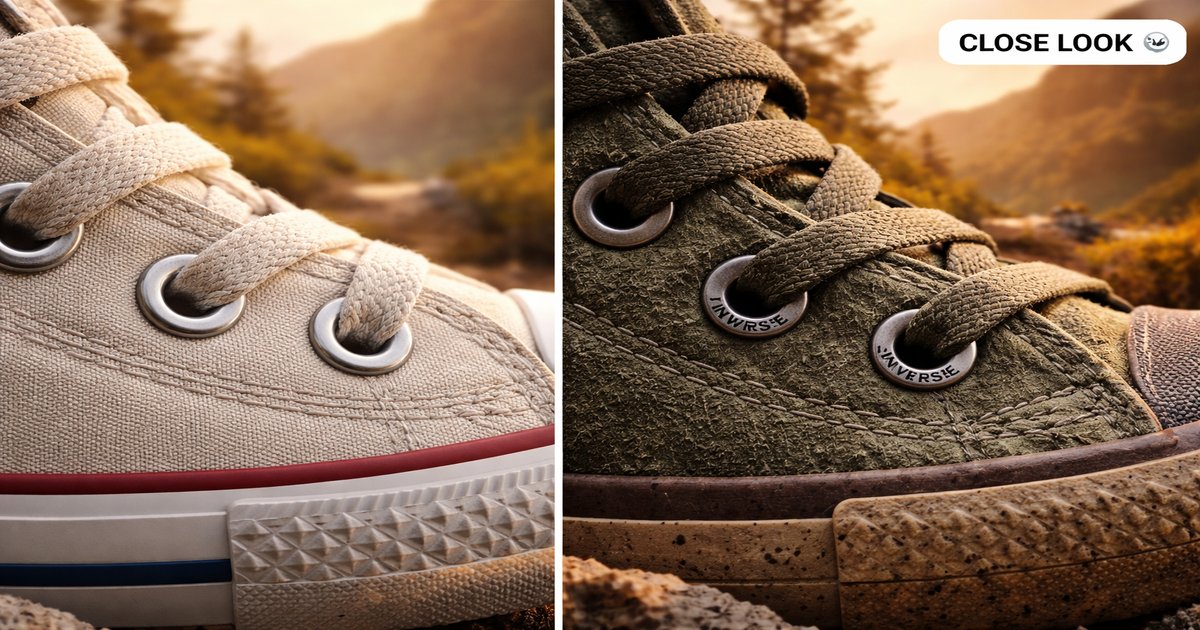
You’re gearing up for your next big sports season, and the debate between Converse and Inverse footwear is getting real. Whether you’re hitting the basketball court or just aiming for that street-style look, choosing the right shoe can make or break your game and your style.
| Feature | Converse | Inverse |
|---|---|---|
| Price Range | $50 – $100 | $70 – $120 |
| Available Sizes | 6 – 13 (US) | 7 – 14 (US) |
| Material | Canvas / Leather | Synthetic / Mesh |
| Arch Support | ✗ | ✓ |
| Customization Options | ✓ | ✗ |
| Weight | 1.2 lbs | 0.9 lbs |
✅ converse Pros
- Classic style that never goes out of fashion
- Customizable design options
- Durable materials for long-term wear
❌ converse Cons
- Lacks arch support, not ideal for long walks
- Heavier compared to modern sneakers
✅ inverse Pros
- Lightweight design enhances agility
- Excellent arch support for comfort
- Advanced synthetic materials for breathability
❌ inverse Cons
- Higher price point
- Limited customization options
Performance
Converse shoes have a long-standing reputation for being sturdy and stylish, but they’re not built for athletic performance. If you’re using them for anything more than a fashion statement, you might be left with sore feet after a long day. In contrast, Inverse shoes are designed with performance in mind. They’re lighter, which makes a noticeable difference if you’re running or engaging in high-intensity sports. Their arch support is a game changer for anyone who needs that extra comfort during prolonged activities.
Build Quality
Converse has been around for ages, and there’s a reason for that: their build quality is reliable. The canvas and leather options provide a solid feel, and these shoes can last you years if you treat them right. Inverse, however, uses cutting-edge synthetic materials that offer excellent breathability. This makes them a better choice in terms of comfort if you’re wearing them in hot weather or for an extended period. But, you might find yourself replacing them more often, given their more delicate construction.
Value
When it comes to value, Converse offers a more budget-friendly option. They are generally cheaper and still provide a solid, timeless look. If you’re someone who doesn’t need all the bells and whistles of modern sneaker technology, they’re a great choice. Inverse, on the other hand, is more of an investment. You’re paying for that lightweight design and comfort, and while it may hurt your wallet a bit more, the performance benefits can be worth it if that’s what you’re after.
Both Converse and Inverse have their hidden limitations. Converse’s lack of arch support could lead to long-term discomfort, especially if you’re on your feet all day. Inverse may offer comfort and agility, but the synthetic materials can wear out faster, meaning more frequent replacements.
Our Final Verdict: Which One Should You Buy?
If you’re a style-conscious individual looking for a classic shoe that can match any outfit, go for Converse. It’s perfect for casual wear and won’t break the bank. But if you’re an athlete or someone who needs extra comfort and support for high-impact activities, Inverse is your go-to. Just be prepared to spend a bit more for those advanced features.
How do Converse shoes fit?
Converse shoes tend to run slightly large. It’s often recommended to go half a size down for a snug fit.
Are Inverse shoes suitable for wide feet?
Inverse shoes generally offer more flexibility but might not be ideal for very wide feet. Trying them on or checking for wide sizes is advisable.
How long do these shoes typically last?
Converse shoes can last several years with proper care. Inverse shoes, due to their lightweight materials, may need replacement every 1-2 years with heavy use.