

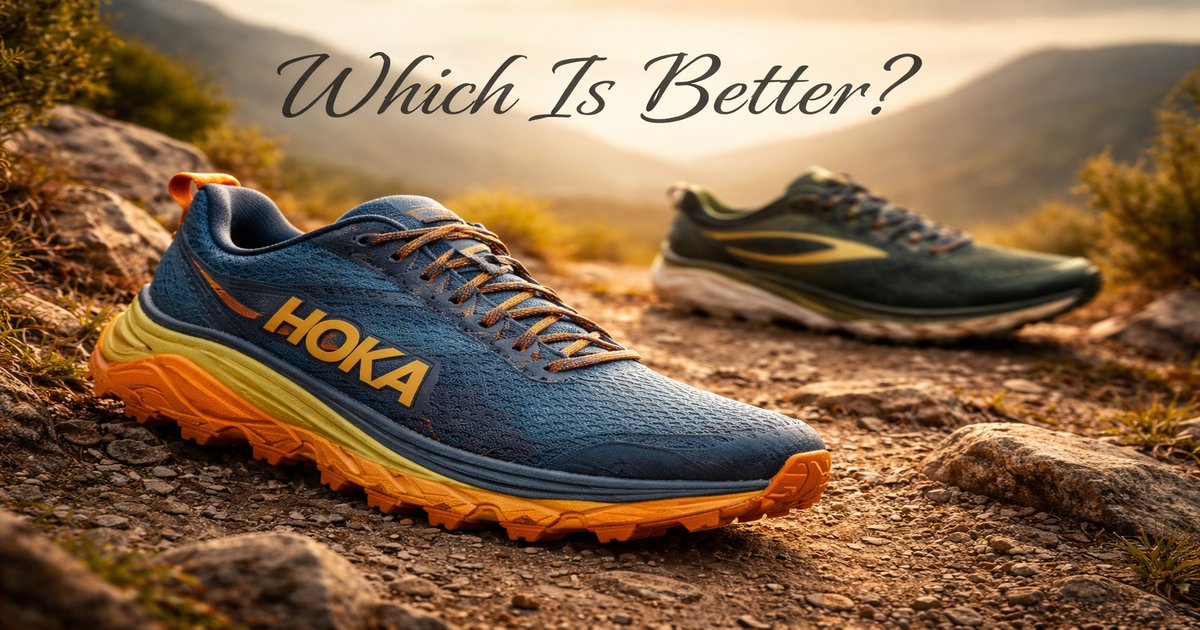
You’re on the hunt for the perfect running shoe, but the endless options are overwhelming. Maybe you’re torn between Hoka’s plush cushioning and Brooks’ reliable support. Let’s break down these two heavyweights to see which brand deserves a spot on your feet.
| Feature | Hoka | Brooks |
|---|---|---|
| Cushioning | Maximum | Moderate |
| Weight | 8.0 oz (Hoka Clifton) | 9.0 oz (Brooks Ghost) |
| Heel-to-Toe Drop | 5 mm | 12 mm |
| Price Range | $140-$200 | $110-$160 |
| Stability Options | ✓ | ✓ |
| Trail Running Models | ✓ | ✓ |
✅ hoka Pros
- Exceptional cushioning for long-distance comfort.
- Lighter weight, great for speed workouts.
- Wide range of models for different terrains.
❌ hoka Cons
- Higher price point might not fit all budgets.
- Some runners find the maximal cushioning unstable.
✅ brooks Pros
- Durable build quality for long-term use.
- Excellent support for various foot types.
- Generally more affordable pricing.
❌ brooks Cons
- Heavier than competitors, may slow you down.
- Less cushioning might not suit everyone on long runs.
Performance: Cushioning and Comfort
Hoka’s cushioning is like running on clouds, perfect for long distances where comfort is key. You’ll appreciate this if you’re marathon training or have joint concerns. The trade-off is a bit of instability for those not used to such plush shoes. Brooks offers a more traditional feel, with enough cushioning to keep you comfortable without the bounce. If you’re a fan of a firmer, more responsive ride, Brooks might be your speed.
Build Quality: Durability and Support
Brooks shoes are tanks. They last forever, making them a solid investment if you log a lot of miles or need something reliable for daily wear. Hoka shoes, while durable, often focus more on lightweight materials, which can wear down faster if you’re tough on your gear. If you’re a heavy striker or run on rough surfaces, Brooks’ tougher build could save you in the long run.
Value: What You Get for the Price
Hoka shoes are an investment. You’re paying for innovation in cushioning and design, and it shows. If budget is a concern, Brooks offers a wider range of prices and models that deliver consistent quality without breaking the bank. Consider how much you’re willing to spend for that extra bit of comfort or if you prefer to save and get reliable performance.
Hoka shoes can be a bit of a shock if you’re not used to their style of cushioning, and breaking them in can take time. Brooks shoes might not offer the same luxurious feel, but they’re less likely to cause you to trip over your own feet if you’re a speed demon. Both have their quirks, so get ready for a bit of trial and error.
Our Final Verdict: Which One Should You Buy?
If you’re a distance runner or someone with joint issues, Hoka’s cushioned comfort is unbeatable. However, if you want a durable, no-nonsense shoe that won’t empty your wallet, Brooks is your best bet. Choose based on your running style and what you’re willing to spend for comfort and durability.
How do Hoka and Brooks fit compared to each other?
Hoka shoes tend to have a wider toe box, which can be great for runners with wider feet. Brooks offers a snugger fit, which can feel more secure but might not suit everyone.
Are these shoes good for trail running?
Both brands offer excellent trail running models. Hoka’s are known for their cushioning, while Brooks excels in durability and grip.
How long can I expect these shoes to last?
Brooks typically lasts 300-500 miles due to their robust construction. Hoka might wear out a bit sooner if you run on rugged terrain, though they offer excellent comfort throughout their lifespan.