


Running is more than just a sport or a pastime; it’s a pathway to freedom, a rythm of movement that connects body and mind.But for many aspiring runners, the joy of hitting the pavement can be overshadowed by the all-too-common specter of pain and discomfort. Whether you’re a seasoned marathoner or just lacing up your shoes for the frist time, understanding how to run pain-free is crucial to enjoying every step of the journey. In this comprehensive guide, we will delve into essential tips that focus on three cornerstones of healthy running: posture, stretching, and knee care.From the way you hold yourself as you move to the vital stretches that keep your muscles agile, each element plays a pivotal role in ensuring that your running experience is both rewarding and sustainable. join us as we explore practical advice and proven techniques that will help you embrace the joy of running without the burden of pain. Let’s leap into a world where every run feels effortless!
Mastering Your Posture for optimal Running Performance
Achieving the right posture while running is essential for both performance and injury prevention. Start by ensuring that your head is aligned directly above your spine, as this will promote balance and minimize neck strain. Your shoulders should remain relaxed and level, avoiding tension that can lead to fatigue. Keep your arms bent at about a 90-degree angle, allowing them to swing naturally with your stride; this motion aids in propulsion and stability. focus on maintaining an engaged core to provide support and stability to your pelvis, which will further enhance your running efficiency. Here’s a rapid checklist to remember:
- Head: Keep it neutral, looking ahead.
- Shoulders: Relaxed and back, avoiding hunching.
- Arms: Bent at 90 degrees, swinging forward and back.
- Core: Engaged to keep your pelvis stable.
- Feet: Strike under your hips to promote a natural gait.
Additionally, regularly incorporating adaptability exercises can enhance your posture. Consider the table below to visualize effective stretches:
| Stretch | Muscle Group | Duration |
|---|---|---|
| Hip Flexor Stretch | Hip Flexors | 30 seconds each side |
| Chest Opener Stretch | Chest, Shoulders | 30 seconds |
| Quadriceps Stretch | Quadriceps | 30 seconds each side |
| Calf Stretch | Calves | 30 seconds each side |
Focus on these strategies, and you’ll cultivate a running posture that not only enhances your performance but also paves the way for a more enjoyable and pain-free experience on the track or trail.
Essential Stretching Techniques to Enhance Flexibility and Prevent Injury
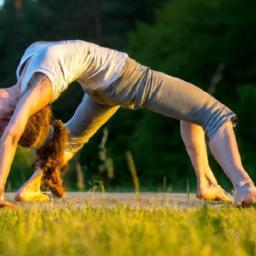
Incorporating effective stretching techniques into your routine can considerably boost your flexibility while also guarding against injuries.Start with dynamic stretches before your runs to warm up muscles; examples include arm circles, leg swings, and high knees. Once your workout is completed, transition to static stretches to promote recovery and increase flexibility. Here are a few essential techniques to consider:
- Hamstring Stretch: Sit with one leg extended and reach towards your toes.
- Quadriceps Stretch: Stand on one leg and pull your opposite foot towards your glutes.
- Cobra Stretch: Lie on your stomach and press up onto your hands to stretch the front of your body.
- Calf Stretch: Place your hands against a wall and extend one leg back, pressing the heel to the ground.
- Pigeon Pose: Bring one knee forward and extend the opposite leg back while sitting.
To help retain a structured approach to your flexibility training, consider using the following guidelines:
| Stretch | Duration (Seconds) | Repetitions |
|---|---|---|
| Hamstring Stretch | 30 | 2-3 |
| Quadriceps Stretch | 30 | 2-3 |
| cobra Stretch | 20 | 2-3 |
| Calf Stretch | 30 | 2-3 |
| Pigeon Pose | 30 | 2-3 |
By dedicating time to these essential stretching techniques, you will not only enhance your flexibility but also equip your body with the resilience needed to run pain-free.
In Summary
As you lace up your running shoes and prepare to hit the pavement, remember that the journey to becoming a pain-free runner begins long before your feet touch the ground. By prioritizing good posture, embracing the power of stretching, and giving your knees the care they deserve, you can enjoy the rhythm of your stride without the burden of discomfort. As you incorporate these essential tips into your routine, you’ll not only enhance your performance but also cultivate a more profound appreciation for the freedom that running brings. So go ahead, take that next step with confidence and joy, knowing that a healthier, more enjoyable running experience is within your reach. Happy running!