

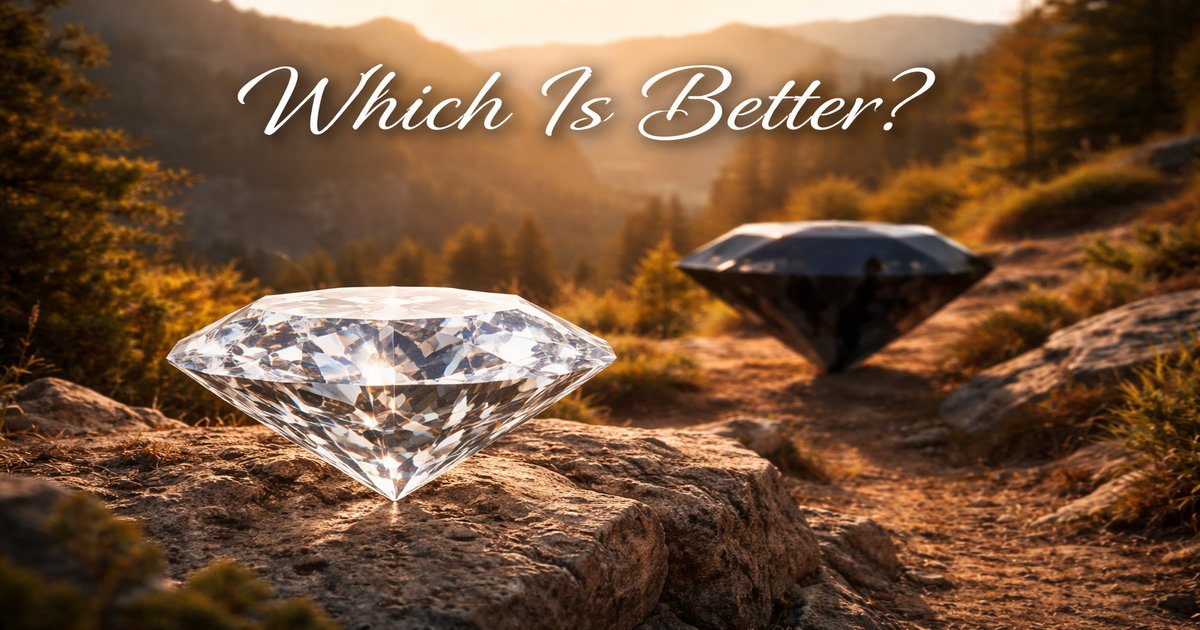
Ever been caught staring at an array of climbing harnesses, wondering if “Black Diamond” is just another brand name or a game-changer in your climbing experience? Or perhaps you’re debating whether to invest in the pure aesthetics and prestige of a white diamond? Picking between these two isn’t just about color—it’s about choosing the right tool for your adventures.
| Feature | White Diamond | Black Diamond |
|---|---|---|
| Type | Luxury Gemstone | Climbing Gear |
| Material Strength | 10 (Mohs scale) | Strong Nylon/Polyester |
| Price Range | $1000 – $30,000+ | $50 – $200 |
| Color | Colorless/White | Black |
| Durability for Intended Use | ✗ | ✓ |
| Versatility | Jewelry | Climbing, Hiking |
✅ white diamond Pros
- Unmatched sparkle and brilliance.
- Symbol of luxury and status.
- Excellent investment potential.
❌ white diamond Cons
- Exorbitantly expensive.
- Limited to aesthetic use.
- Requires careful maintenance.
✅ black diamond Pros
- Robust and reliable for climbing.
- Affordable and accessible.
- Versatile for various outdoor activities.
❌ black diamond Cons
- Not as visually appealing as white diamonds.
- Requires familiarity with gear specs.
- Specific to outdoor sports use.
Performance
When it comes to performance, Black Diamond gear doesn’t mess around. A well-designed harness or carabiner is your best partner when scaling heights. The materials used provide excellent durability and strength, crucial for safety in climbing. Meanwhile, a white diamond’s performance isn’t about physical feats; it’s about delivering unmatched sparkle and elegance in jewelry. If you’re looking for something to withstand the rigors of nature, Black Diamond is your go-to. If you want to shine in a gala, white diamond steals the show.
Build Quality
Black Diamond sets the standard in build quality for climbing equipment. The craftsmanship is evident in every stitch and seam, ensuring you have the confidence to trust your gear while dangling hundreds of feet in the air. White diamonds, on the other hand, are judged more by their cut, clarity, and carat. A well-cut white diamond reflects light beautifully, but its build quality is more about aesthetics than utility. Black Diamond gear is engineered for ruggedness; white diamonds are crafted for beauty.
Value
Value is where these two diverge significantly. White diamonds hold their value exceptionally well and can even appreciate, making them a solid investment. Black Diamond gear provides value in a different way—by delivering high performance at a reasonable price point. While you won’t resell your harness for a profit, the value comes from the experiences and safety it provides. If financial investment is your goal, go with white diamonds. If it’s about getting the most out of your outdoor gear, Black Diamond wins.
White diamonds can lose their appeal if improperly cut or if they’re not maintained, diminishing their value and sparkle. Black Diamond gear, while sturdy, can wear down if not cleaned and checked regularly, especially after intense use. Always inspect your climbing gear before an expedition.
Our Final Verdict: Which One Should You Buy?
If you’re all about elegance and financial investment, a white diamond is your best bet. It’s perfect for those who appreciate luxury and have the budget to match. For the thrill-seekers and adventurers, Black Diamond offers durable, reliable gear without breaking the bank. It’s the ideal choice for climbers who prioritize safety and performance.
Is Black Diamond gear compatible with all climbing systems?
Black Diamond gear is generally compatible with most standard climbing systems, but always check specific compatibility with your other gear to ensure safety.
How long does a white diamond last?
White diamonds are incredibly durable and can last a lifetime with proper care, maintaining their brilliance and value over time.
How do you maintain Black Diamond gear?
Regular inspections are crucial. Clean your gear with mild soap and water, and store it in a cool, dry place to prevent wear and tear.