

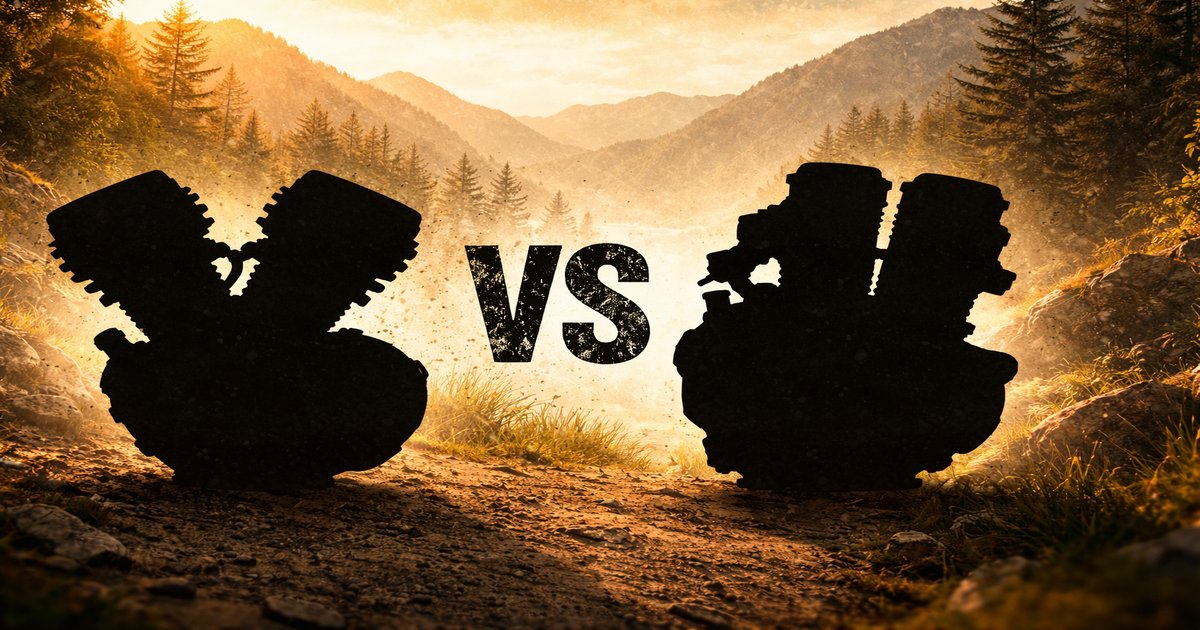
You’re in the market for a motorcycle and can’t decide between a v twin and an inline 2 engine. Both have their die-hard fans, but which one will rev up your ride and suit your style? Let’s break it down so you can pin down exactly what fits your needs.
| Specification | V Twin | Inline 2 |
|---|---|---|
| Power Output | 75-150 HP | 50-100 HP |
| Torque | High | Moderate |
| Weight | Heavier | Lighter |
| Sound | Deep, throaty | Higher pitch |
| Fuel Efficiency | ✗ | ✓ |
| Maintenance Cost | Higher | Lower |
✅ v twin Pros
- Powerful torque for thrilling acceleration.
- Distinctive, iconic sound that turns heads.
- Great performance at low RPMs.
❌ v twin Cons
- Heavier, impacting maneuverability.
- Higher maintenance costs.
- Less fuel-efficient.
✅ inline 2 Pros
- Lighter, making it easier to handle.
- More fuel-efficient, saving you money on gas.
- Lower maintenance costs.
❌ inline 2 Cons
- Less torque than a v twin.
- Sound lacks the deep rumble some riders crave.
- Lower power output in general.
Performance: Torque vs. Handling
The v twin engine is your go-to if you’re after that raw, adrenaline-pumping torque that can whisk you off the line like a rocket. It’s all about the grunt power at low RPMs, making it ideal for cruisers and anyone who loves that signature rumble. On the flip side, the inline 2 is lighter and better for zipping through city traffic or winding through twisty roads. If you’re a commuter or urban rider, the nimbleness of the inline 2 might be more your speed.
Build Quality: Robustness vs. Simplicity
V twin engines are often built to be robust and handle long rides with durability in mind. This comes at the cost of weight and complexity, which can translate into higher maintenance expenses and a steeper learning curve for DIY repairs. Inline 2 engines, however, are simpler in design, making them easier to service and generally more reliable for those who prefer to keep things straightforward and uncomplicated.
Value: Upfront Cost vs. Long-Term Savings
The initial investment for a bike with a v twin engine is usually higher, but you’re paying for that quintessential motorcycle experience. If you plan on long rides and love the power, it might be worth the splurge. Inline 2s, with their lower purchase price and better fuel efficiency, offer long-term savings, making them ideal for budget-conscious riders or those who prioritize practicality over raw power.
V twin engines may seem appealing but be prepared for potentially higher insurance premiums due to their performance capabilities. Inline 2 engines, while easier on the wallet, may leave you wanting more if you’re used to the raw power of larger engines. Also, check the availability of parts and service in your area for both before committing.
Our Final Verdict: Which One Should You Buy?
If you’re a rider who craves power, sound, and the classic motorcycle experience, the v twin is your ticket. It’s for the weekend warrior who wants to feel every bit of the ride. On the other hand, if you’re a pragmatic urban rider or a beginner looking for something manageable and economical, the inline 2 is your best bet. Its lighter design and fuel efficiency make it ideal for day-to-day riding without sacrificing too much performance.
Is the v twin more durable than the inline 2?
V twin engines are generally built for durability, especially in cruisers, but they require more maintenance. Inline 2 engines tend to be simpler, which can translate to reliability and less fuss over time.
How does fuel efficiency compare between the two?
Inline 2 engines typically offer better fuel efficiency, making them a practical choice for daily commuting. V twins prioritize power and performance, often at the expense of fuel economy.
Which is better for a beginner rider?
An inline 2 is often more suitable for beginners due to its lighter weight, manageable power output, and ease of handling, making it easier to learn and build confidence.