

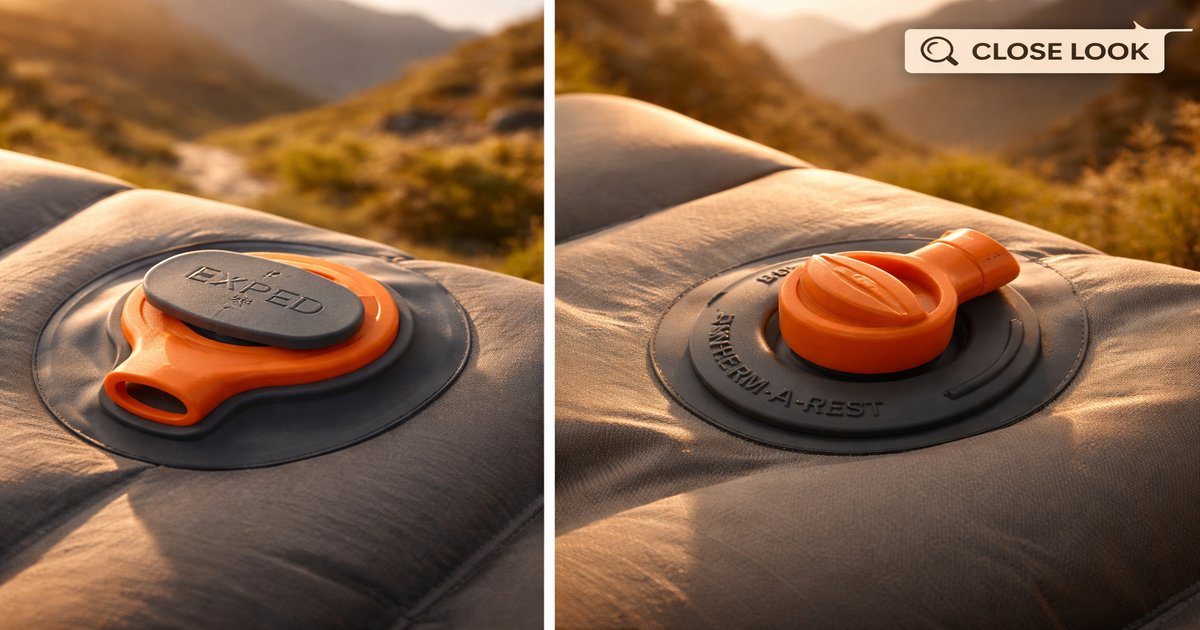
If you’re trekking through the wilderness or setting up camp in your backyard, a good sleeping pad can make the difference between a restful night and a night of tossing and turning. Two top contenders in the world of camping mats are Exped and Therm-a-Rest. Let’s break down which one might be your perfect match.
| Feature | Exped | Therm-a-Rest |
|---|---|---|
| R-Value | 7.1 | 6.9 |
| Weight | 1.7 lbs | 1.5 lbs |
| Packed Size | 5.5 x 10 in | 4.5 x 9 in |
| Pump Mechanism | Integrated Pump | Manual Inflation |
| Durability | ✓ | ✓ |
| Price | $220 | $180 |
✅ exped Pros
- Excellent insulation with a high R-value.
- Integrated pump for easy setup.
- Durable construction suitable for rough terrain.
❌ exped Cons
- Heavier than some competitors.
- Higher price point.
✅ therm a rest Pros
- Lightweight and easy to pack.
- More affordable than Exped.
- Compact size is great for backpackers.
❌ therm a rest Cons
- Slightly lower R-value, less insulation for cold nights.
- Manual inflation can be a hassle.
Performance in Cold Weather
When you’re out in the cold, the R-value of your sleeping pad becomes a crucial factor. Exped shines with a 7.1 R-value, which translates to better insulation against the chilly ground. If winter camping is your thing, Exped is the warmer option. Therm-a-Rest, with its 6.9 R-value, is no slouch but doesn’t quite reach the same level of insulation. In sub-zero temps, those extra decimals matter. Exped’s integrated pump also means you can inflate it without losing your breath in freezing conditions.
Weight and Portability
For those who count every ounce in their pack, Therm-a-Rest takes the cake. Weighing in at just 1.5 lbs and packing down smaller, it’s the go-to choice for ultralight backpackers. Exped, while not a heavyweight, tips the scales at 1.7 lbs and occupies a bit more space. If you’re hiking long distances or need every inch of space in your pack, Therm-a-Rest’s lighter build could be the deciding factor.
Ease of Use and Setup
Ease of setup can make or break your camping experience. Exped’s integrated pump makes inflating the pad a breeze, especially after a long day on the trail. No more puffing and huffing; just press and inflate. Therm-a-Rest requires manual inflation, which isn’t the end of the world but can be a hassle if your arms are tired or the air is thin. For those who value convenience, Exped is a clear winner here.
Exped’s integrated pump is a game-changer, but it adds weight and bulk, which might not be ideal for every trek. Therm-a-Rest’s compactness is fantastic, but manual inflation can be a drag after a long hike. Both pads are excellent, but neither is perfect for every scenario.
Our Final Verdict: Which One Should You Buy?
If you’re a hardcore winter camper who values warmth and ease of setup, Exped is your best bet. Its high R-value and integrated pump are worth the extra weight and dollars. On the other hand, if you’re a minimalist backpacker who prioritizes weight and packability, Therm-a-Rest offers a reliable, budget-friendly option that won’t weigh you down. Choose based on your priorities: warmth and ease or weight and price.
Is the Exped pad suitable for all seasons?
Yes, with its high R-value, Exped is suitable for all seasons, particularly cold weather camping.
Can Therm-a-Rest withstand rough terrain?
Yes, Therm-a-Rest pads are designed to be durable, though avoiding sharp objects is always wise.
How long can I expect these pads to last?
Both pads are built to last several years with proper care. Avoid punctures, and they’ll serve you well.