

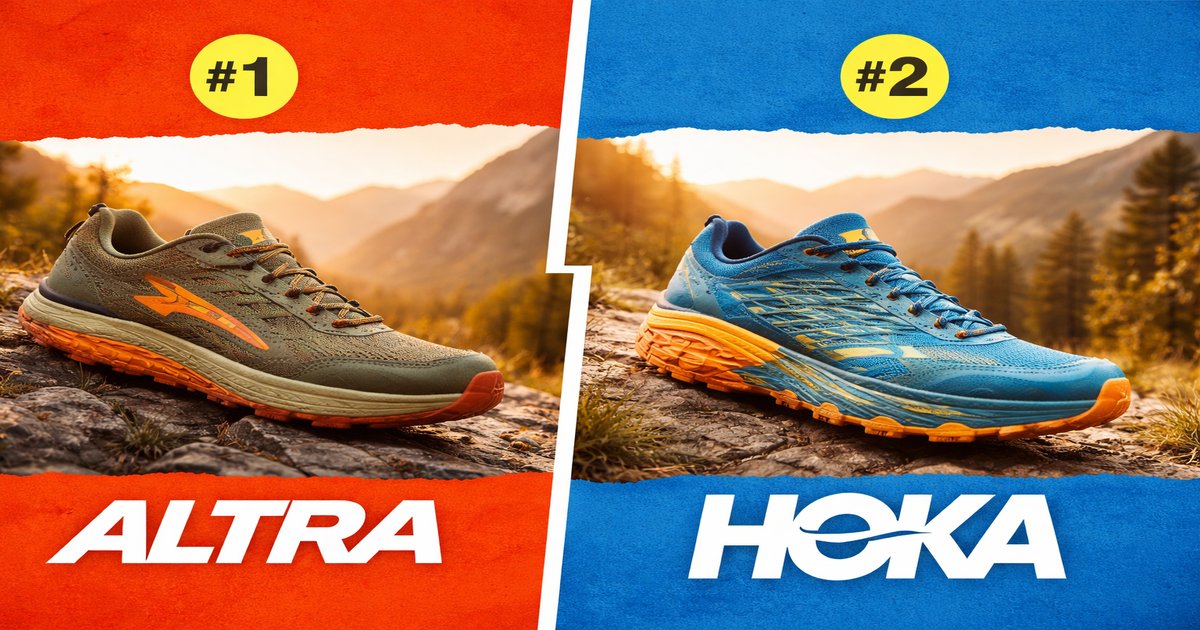
You’re staring at a wall of running shoes, trying to decide between Altra and Hoka. Both brands have their die-hard fans, but which one will actually give you that cloud-like run you crave without wrecking your form or your wallet?
| Feature | Altra | Hoka |
|---|---|---|
| Heel-to-Toe Drop | 0 mm | 4-5 mm |
| Cushioning Level | Moderate | High |
| Wide Toe Box | ✓ | ✗ |
| Weight (Men’s size 9) | 10 oz | 8.9 oz |
| Stability Features | ✓ | ✓ |
| Price Range | $120 – $180 | $130 – $200 |
✅ Altra Pros
- Zero-drop promotes natural foot strike.
- Wide toe box allows for natural toe splay.
- Durable construction for trail running.
❌ Altra Cons
- Can feel heavy for road runners.
- Takes time to adjust to zero-drop.
- Limited cushioning might not suit everyone.
✅ Hoka Pros
- Exceptional cushioning for long distances.
- Lightweight despite thick sole.
- Stylish designs with modern aesthetics.
❌ Hoka Cons
- Higher price point for premium models.
- Narrower fit can be uncomfortable for wide feet.
Performance
Altra shoes cater to those who want to embrace natural running mechanics, thanks to their zero-drop design. This encourages a midfoot strike, which can reduce impact injuries but demands an adjustment period. On the other hand, Hoka’s maximal cushioning is a delight for long-distance runners, absorbing shock and providing that pillowy sensation mile after mile. If you have a history of joint issues, Hoka might be your savior. But if you’re a minimalist runner, Altra’s natural feel could be your go-to.
Build Quality
Altra shoes are built to endure the rough and tumble of trail running with robust materials that withstand rugged terrains. However, this durability comes at the cost of weight, making them feel a bit clunky on pavements. Hoka, in contrast, nails the balance of lightweight construction with high durability, especially in their road-running models. The downside? All that foam can wear down more quickly on harsh surfaces, but the ride is oh-so-smooth while it lasts.
Value
Altra offers solid value for trail enthusiasts who prioritize natural movement and foot health, typically coming in at a slightly lower price point than Hoka. You’ll get a shoe that lasts and keeps your form honest. Hoka, while a bit pricier, is unmatched in comfort for ultramarathons and long training days. If you’re willing to spend a little extra for premium cushioning and style, Hoka’s offerings are hard to beat.
Altra’s zero-drop isn’t for everyone; transitioning too quickly can lead to calf strain. Hoka’s plush cushioning, while luxurious, can sometimes mask your foot’s natural feedback, potentially affecting your stride efficiency over time. Both brands have their quirks that might not show up until you’ve logged serious miles.
Our Final Verdict: Which One Should You Buy?
If you’re a trail runner or someone looking to transition to a more natural running style, Altra is your best bet. Their durable, zero-drop shoes will keep you grounded and your feet happy. However, if you prioritize comfort above all else and don’t mind spending for plush cushioning, Hoka is ideal for long-distance road warriors and those who love a cushy ride. Choose based on your running terrain and personal comfort preferences.
Are Altra shoes suitable for wide feet?
Yes, Altra shoes are known for their wide toe box, making them an excellent choice for those with wider feet.
How long do Hoka shoes typically last?
Hoka shoes generally last between 300-500 miles, depending on the surface you run on and your running style.
Do Altra shoes require a break-in period?
Yes, due to their zero-drop design, it’s advisable to ease into wearing Altra shoes to allow your muscles and tendons to adjust.