

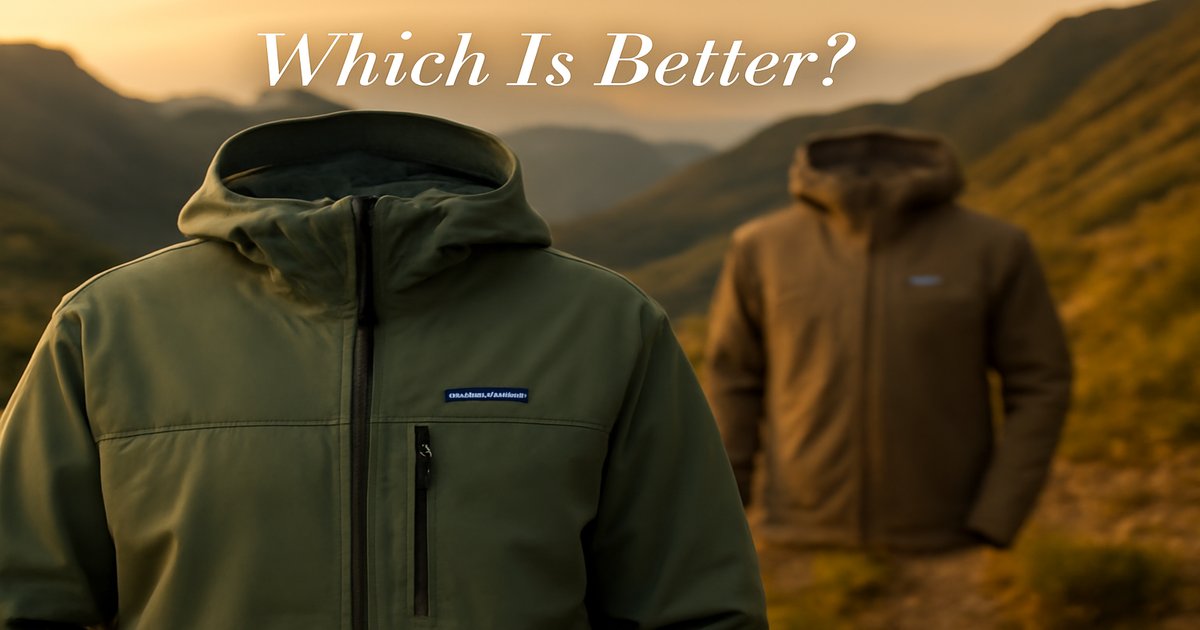
You’re planning your next backcountry adventure and trying to decide between Patagonia and Rab gear. Both brands promise durability and performance, but which one truly stands up to the elements and your expectations? Let’s break it down so you can hit the trails with confidence.
| Feature | Patagonia | Rab |
|---|---|---|
| Material Quality | High-end recycled materials | Premium technical fabrics |
| Water Resistance | ✓ | ✓ |
| Insulation Type | Synthetic and down | Synthetic and down |
| Sustainability | ✓ | ✗ |
| Price Range | $$$ | $$ |
| Weight | Medium | Light |
✅ Patagonia Pros
- Exceptional sustainability efforts.
- Durable and reliable for extreme conditions.
- Offers a wide range of products for different activities.
❌ Patagonia Cons
- Higher price point.
- Heavier than some competitors.
- Limited color options in certain product lines.
✅ Rab Pros
- Lightweight and packable.
- Excellent value for money.
- Specializes in high-performance technical gear.
❌ Rab Cons
- Less focus on sustainability.
- Fit can be inconsistent across products.
- Fewer options for urban wear.
Performance in Harsh Conditions
If you’re gearing up for the harshest conditions, Patagonia’s gear holds up like a champ. Its blend of recycled materials and robust design make it ideal for extended backcountry trips. Patagonia’s water resistance is solid, keeping you dry during those unexpected downpours. Rab, on the other hand, shines with lighter fabrics that pack down easily. It’s great for fast-paced hikes or climbs where every ounce counts. While both perform well, Patagonia edges out Rab when durability and environmental impact are your top priorities.
Build Quality and Comfort
Patagonia’s build quality is impressive, with attention to detail that ensures long-lasting wear. The materials feel substantial, and seams are solid, which is crucial when you’re miles away from civilization. Rab excels in making gear that feels like a second skin—comfortable yet capable. However, their fit can vary between models, so trying before buying is wise. Patagonia’s consistent sizing and thoughtful design make it a reliable choice for those who want no surprises in fit and finish.
Value for Money
Rab’s pricing is generally more accessible, offering high-quality technical gear without breaking the bank. It’s a great option if you’re looking to maximize performance per dollar spent. Patagonia, meanwhile, demands a higher investment, but it pays off with top-notch durability and sustainability. If you’re someone who values eco-conscious purchases and can afford the upfront cost, Patagonia offers long-term value through its wear-and-tear resilience and commitment to environmental responsibility.
What most reviews gloss over is Patagonia’s weight issue. It’s not the lightest option, which can be a dealbreaker on ultra-light expeditions. Rab’s fit inconsistencies can also trip you up; one jacket fits like a glove, the next might feel a size off. Always check the sizing before committing.
Our Final Verdict: Which One Should You Buy?
For the eco-conscious adventurer who demands durability and doesn’t mind a bit more weight, Patagonia is your go-to. It’s perfect for extended trips where staying protected and sustainable is key. If your priority is lightweight, high-performance gear at a friendly price point, Rab is the way to go. It’s ideal for fast-paced adventures where every ounce counts, and you want quality without the premium price tag.
How does the fit of Patagonia gear compare to Rab?
Patagonia typically offers a more consistent fit across its products, while Rab’s fit can vary. It’s best to try Rab gear in person if possible.
Is Patagonia worth the higher price?
Yes, if you value sustainability and durability. Patagonia’s higher price reflects its eco-friendly materials and robust construction.
How long can I expect these products to last?
Both brands offer durable products, but Patagonia’s focus on build quality and sustainability suggests a longer lifespan, especially with proper care.